
« More Recent Articles - Past Articles »
November 9 2020
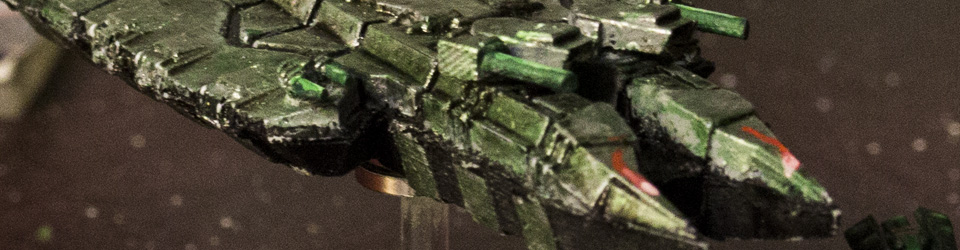
The latest edition of Legends of Kalidasia: Heroes of the Heragul is available for download. This is version 2.2.0 and introduces a new, cleaner system of movement, a change to when sensors are placed on the battlefield, and enhances the role of fighters in battle.
Download the rules here(14MB PDF) or you can find them on the Legends of Kalidasia Page.
If you have purchased a digital copy of Heroes of the Heragul from Wargame Vault or have a download code for the game, those archives will be updated soon. Print copies of Heroes of the Heragul will starting including a print copy of the 10th edition of the rules in the next few weeks.
November 2 2020
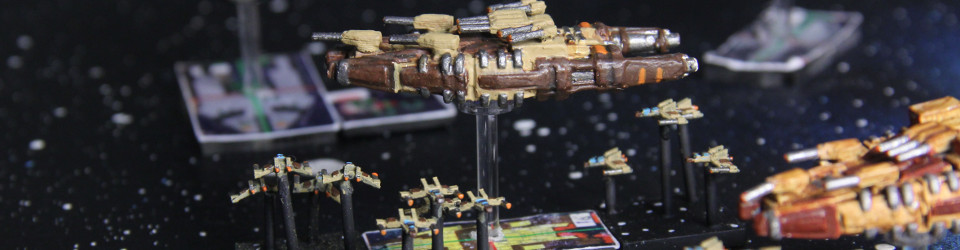
Over the summer, I started working on an update to Heroes of the Heragul which factors in everything I’ve learned from running events and teaching players Legends of Kalidasia. By chance, this update ended up being completed by the end of 2020 and has a planned release not too far after the 10th anniversary of the game. Rise of the Surakari was released back in August of 2010, so labeling this update as the 10th anniversary edition just made sense.
Officially, this will be rules version 2.2.0. Therefore, it is not an entirely new game. In fact, most of Heroes of the Heragul still remains unchanged. Nearly everything that is part of the current starter set is still valid and compatible. My goal was to smooth out some of the most difficult parts of the game, make fighters play a more consistent role in battle, reduce the impact of “double strikes”, and clean up some of the tokens on the field. While exactly what has changed will be laid out a little later, lets take a quick overview at each of these points:
Since Heroes of the Heragul was released, the part of the game I struggled with the most was the movement rules. I wanted to create a unique experience for Kalidasia, but the system also had to be easy to grasp for new players. While I think created a cool system with the template based movements, it was really difficult for new players to figure out. Performing basic maneuvers was just as detailed and complex as crazy s-curves.
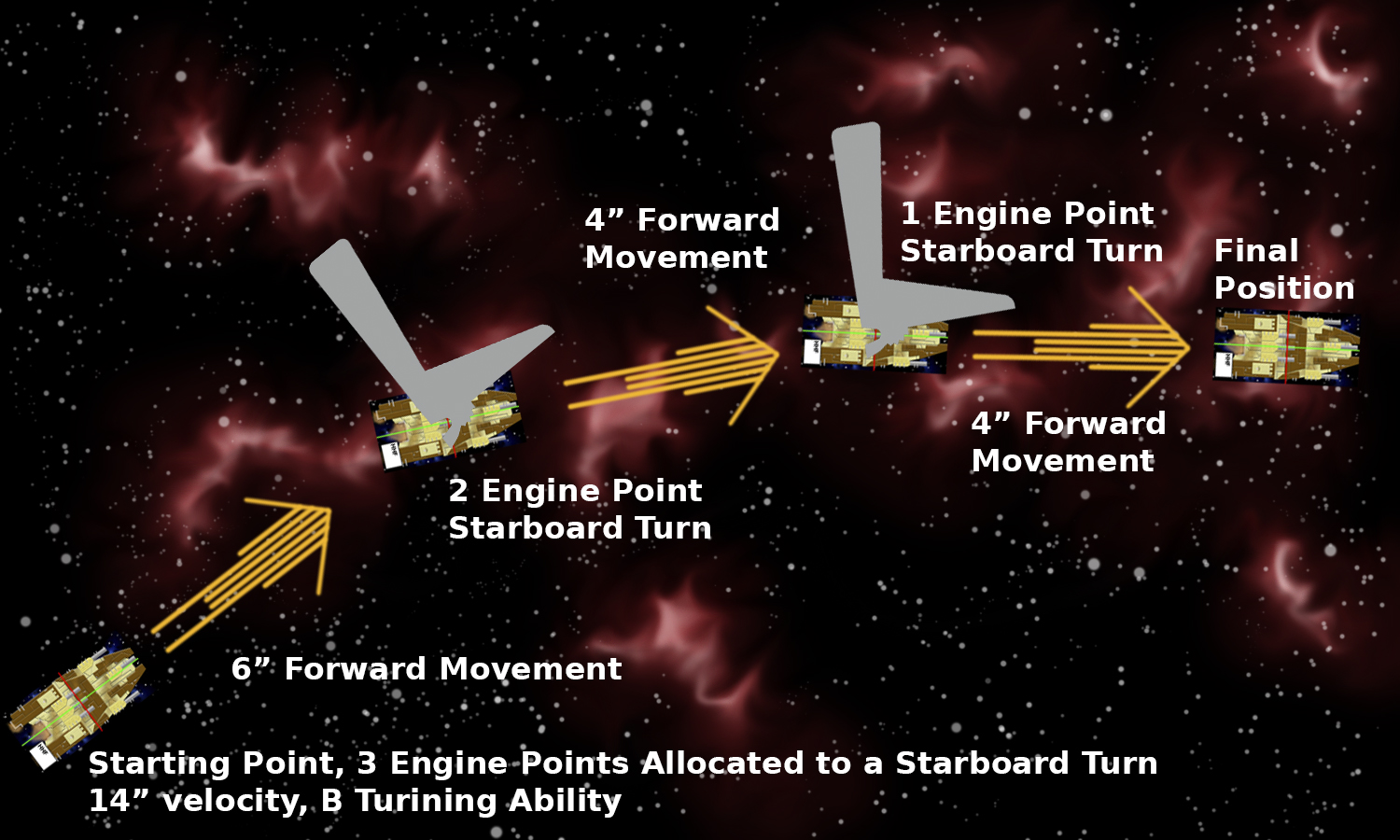
For the 10th anniversary edition, I created a new movement system that captures most of the tactics and flexibility of the template system, but it much simpler to execute.
These two items are related to each other as by changing one game mechanic affects the other. A double strike is where a warship would get the last move of a turn, inflict damage on a target, and then also get the first activation of the next turn. This allowed for two full attacks before retaliation, which in Heroes of the Heragul could be deadly. While this can possibly still happen, a change to sensor points makes it more of a risk.
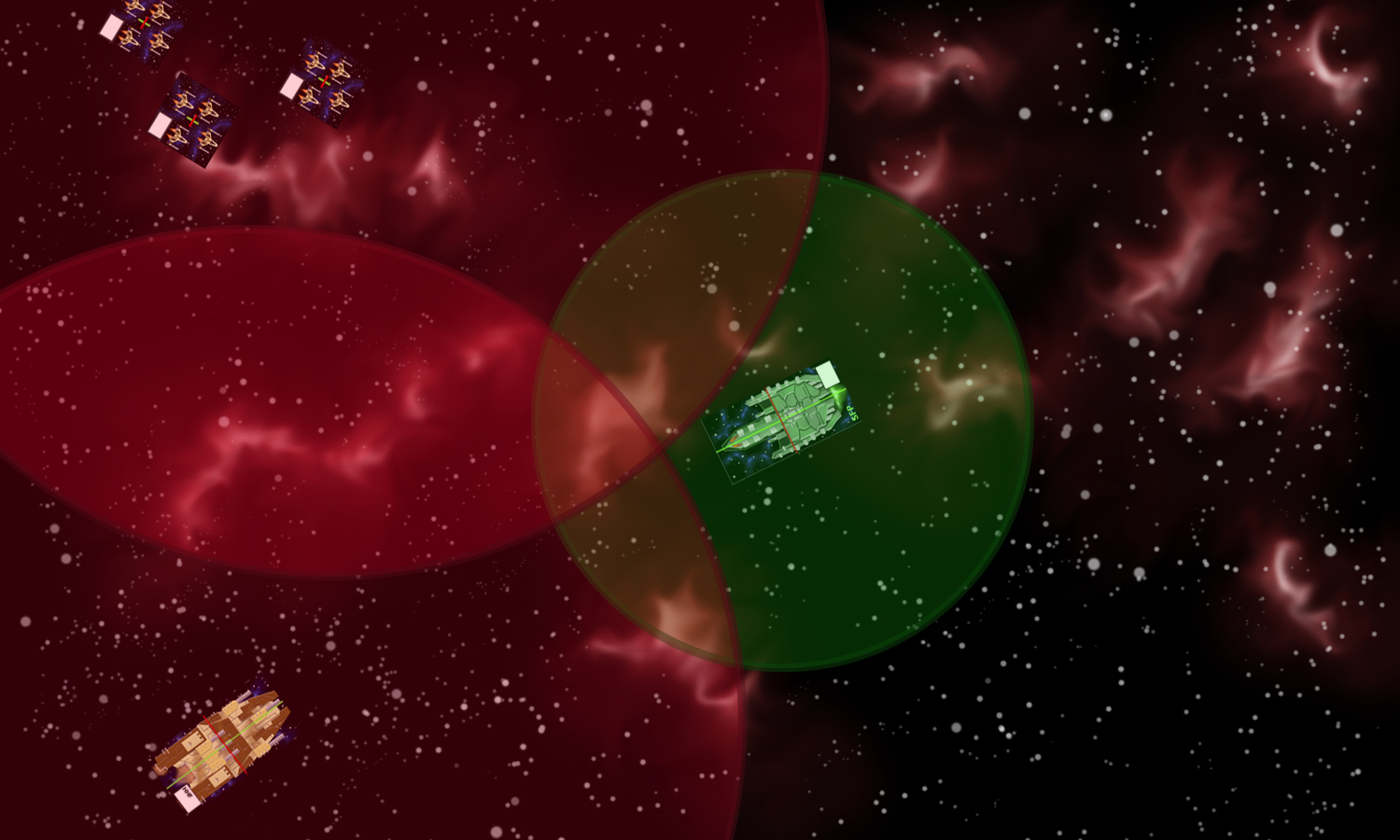
There is no longer a sensor phase. Now, a warship only generates sensor points when it starts its activation. Therefore, if you want the two sensor points from the Virgo Missile Boat in your backfield, you will need to activate that warship before activating your front line ship. This will make the decision about which warship to activate first more difficult since the “obvious choice” no longer has the sensor points available to support all of its attacks.

How this cleans things up is that a warship tends to use most of its own sensor points in its own attack. Since sensor points are only getting placed at a rate that is slightly more than they are being used, there will be fewer tokens on the board to follow along with warship movement.
Fighters in Heroes of the Heragul had the potential to deliver to a critical strike during the battle, but often times, squadrons of fighters canceled each other out. This resulted them mostly having little impact on the warship combat. Now, after fighters are eliminated from the game, they have a decent change of being respawned into battle, but they can and only be spawned under certain placement conditions. This will create a mini-area of control aspect that can allow a players to truly gain fighter superiority over the enemy.
The new rules will be released for free in the near future. Shortly after that, it will be integrated into the various download codes that come with print copies of the game and with the digital version of the game over at Wargame Vault. Finally, a print version will replace the current rulebook available in the Heroes of the Heragul starter set. Check back with this site for when each of those events occur.
June 1 2020
This is the first miniature release for 2020 and it is also the first 3D printed warship miniature in the Legends of Kalidasia line.
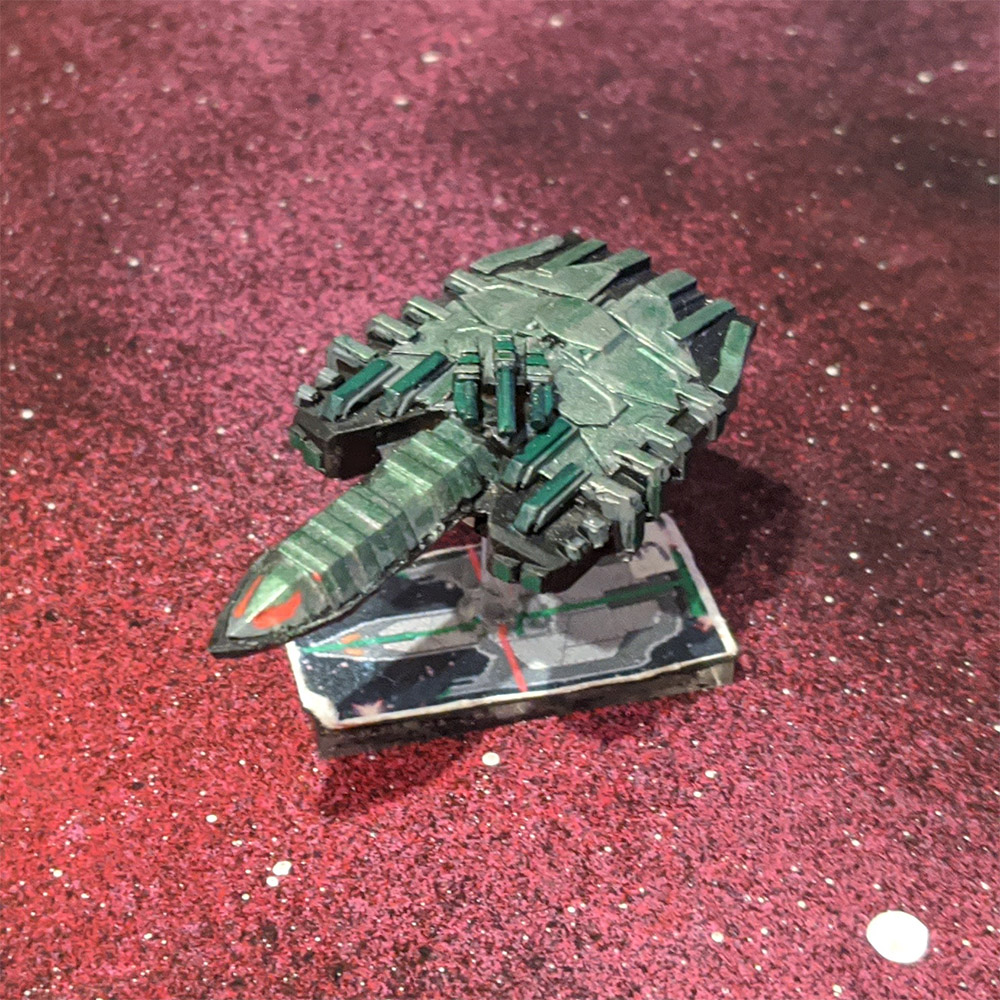
The Surakari Virgo is one of the alternate versions of the most common front line Surakari warship – The Draco Frigate. Exchanging its main Plasma Pulse Beams for a pair of Plasma Missiles, the Virgo tends to act more in a support role than the Draco. Its armor, hull, and sensor values are on pair with the other frigates available to the Surakari, but at 10 points, it finds itself between the Draco and the Delphinus variations.
Purchase the new Surakari Virgo miniature here. Its Beta Stat card can be found at the link as well or its official card will be released soon as part of the Fractured Empire Expansion for Legends of Kalidasia.
January 28 2020
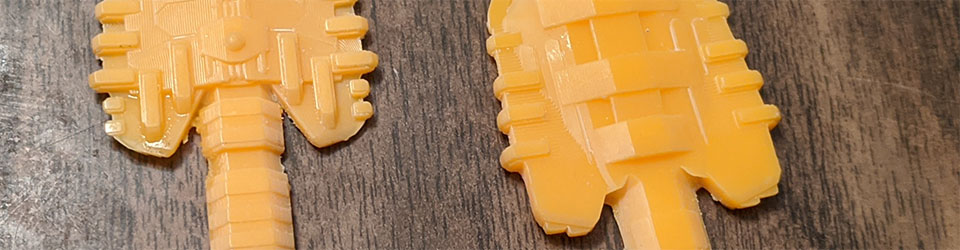
In the previous article in this series, I was able to successfully print a Surakari warship with my Prusa SL1, but I had to crank up the support settings. This left the bottom of the miniature visibly scarred.
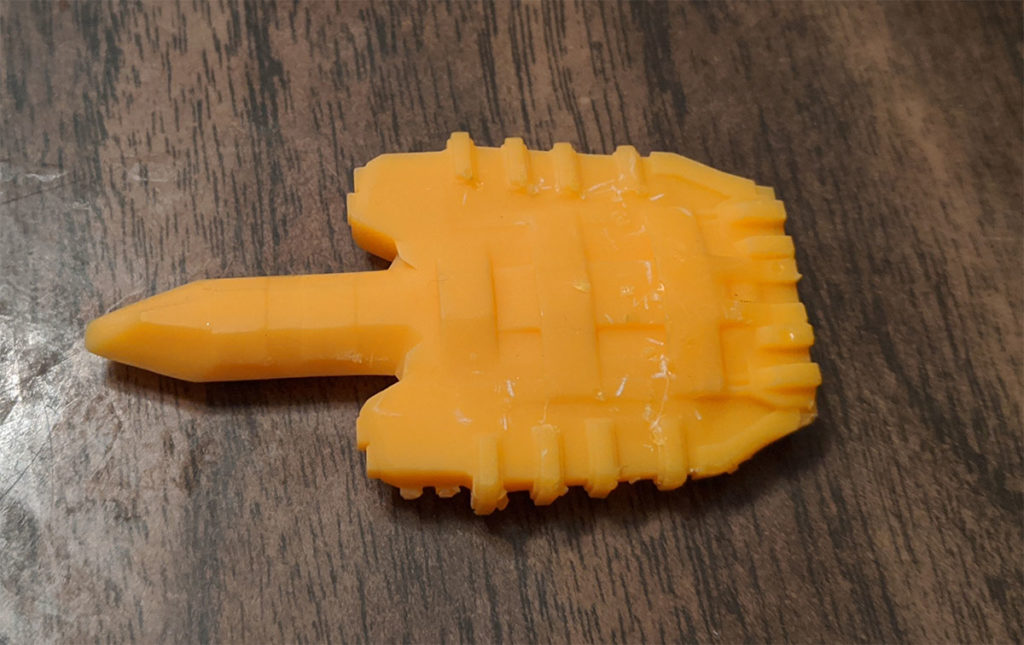
One thought was to split the miniature in half and print the top and bottom halves as independent parts. Since Kalidasia warships are designed to be cast in two part molds, each one has a line on which the miniature can be split into printable halves. The first challenge is that while the model can be split in two, the 3D model was not built with this in mind. I had to make quite a few adjustments to the Blender model to allow for this setup.
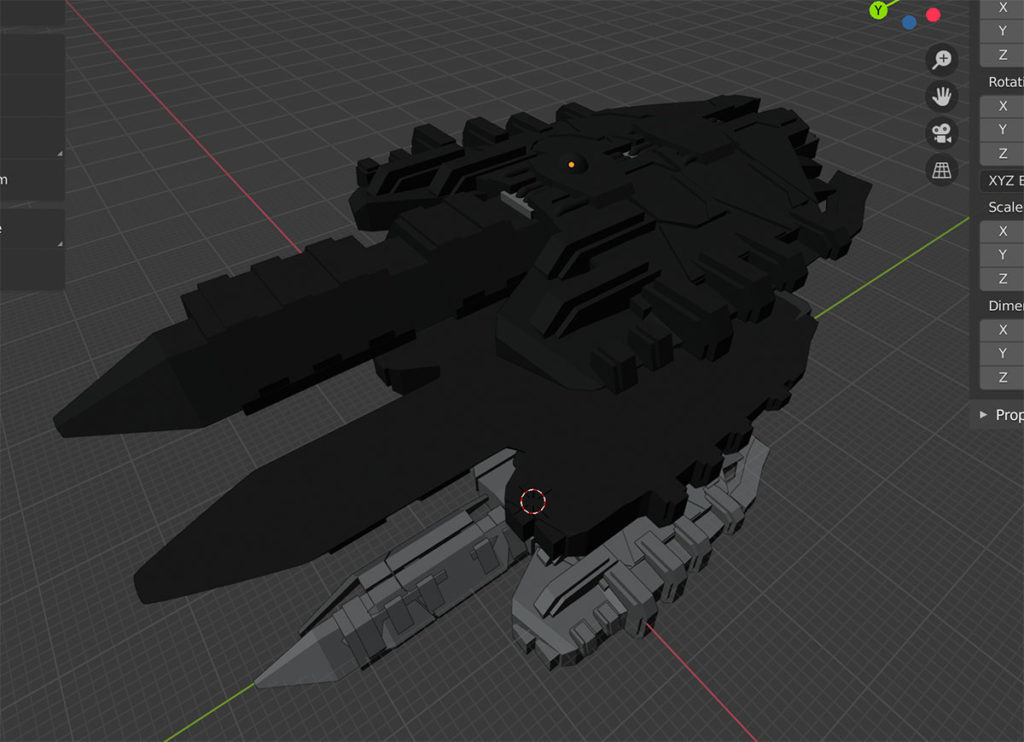
Next, by default, Prusa Slicer likes to support the miniature off the base. This is a setting that can be overridden, but the software strongly recommends it. With the models setup, I printed them out.
One advantage with this style is that it reduces the overall height of the print. Given how these LCD Masking printers work, This means a significant reduction in the print time and less wear on the consumable parts of the printer. However, none of that matters if the print does not work.
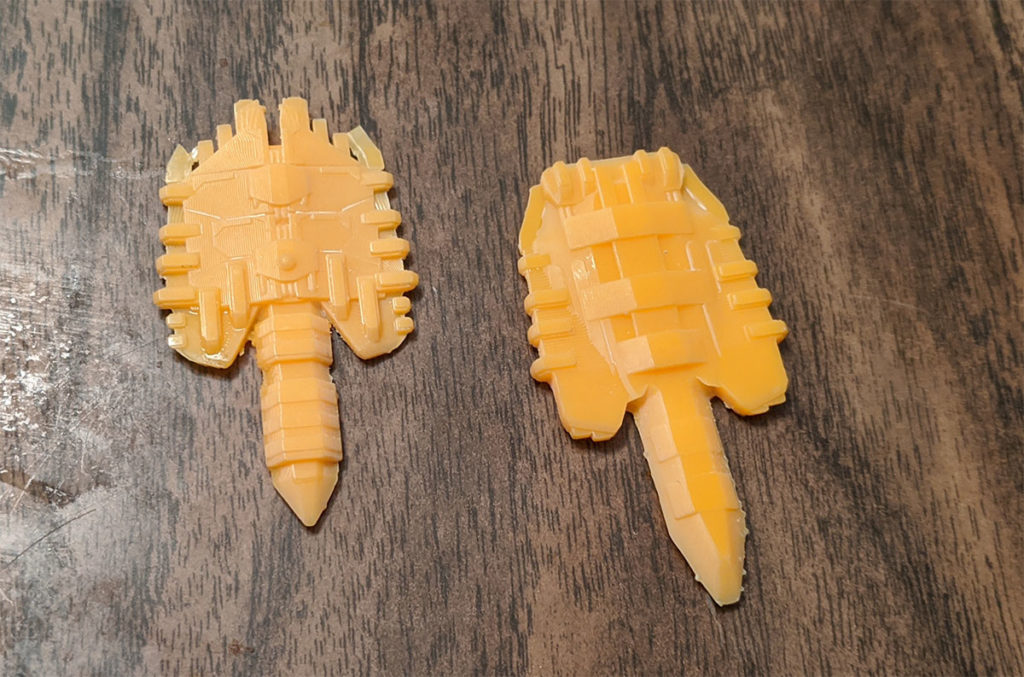
With this process, the print did complete successfully. Both halves of the warship cured as expected and since the bottom of each piece did not require any detail, plenty of strong supports could be used to prevent the piece from detaching from supports. However, curing plastic, no matter which method is used, has a nasty tendency to curl up. As plastic solidifies, forces can pull on parts of the model at different rates. This can cause the edges of a model to deform slightly. This is probably most famous with FFF 3D printers and bed adhesion. As layers are added to a FFF print, the cooling plastic can cause the corners of a print to peel off the print bed. This results in the bottom of the print to not be flat.
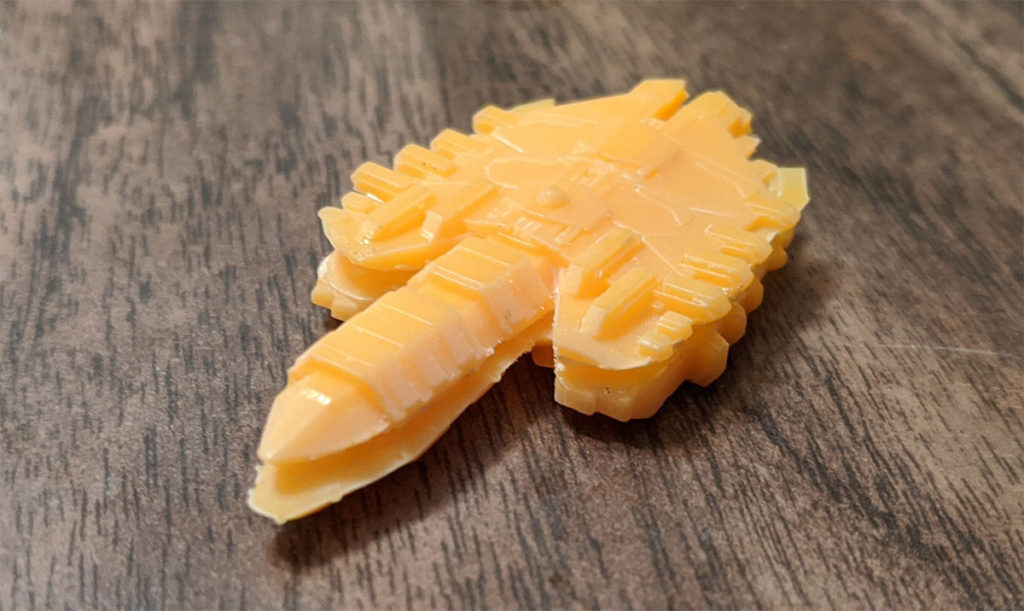
Something similar happened here. Neither half of the miniature had a flat base. This means it was not possible to glue the two halves together in a way which looked decent. Well, its back to figuring out how to print the miniature in one piece. More on that in the third part of this series.
January 5 2020
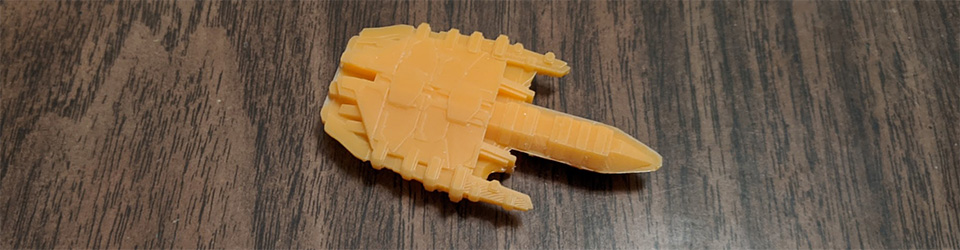
For some time, I have wanted to add a resin 3D printer to my small collection of printers. After some deliberation and comparing of specs, I settled on the Prusa SL1. With choosing one of the more expensive resin based printers, I was hoping I would be able to integrate the 3D printer into the Legends of Kalidasia Workflow. Over the next few posts in this series, I will explore exactly where the printer will fit in.
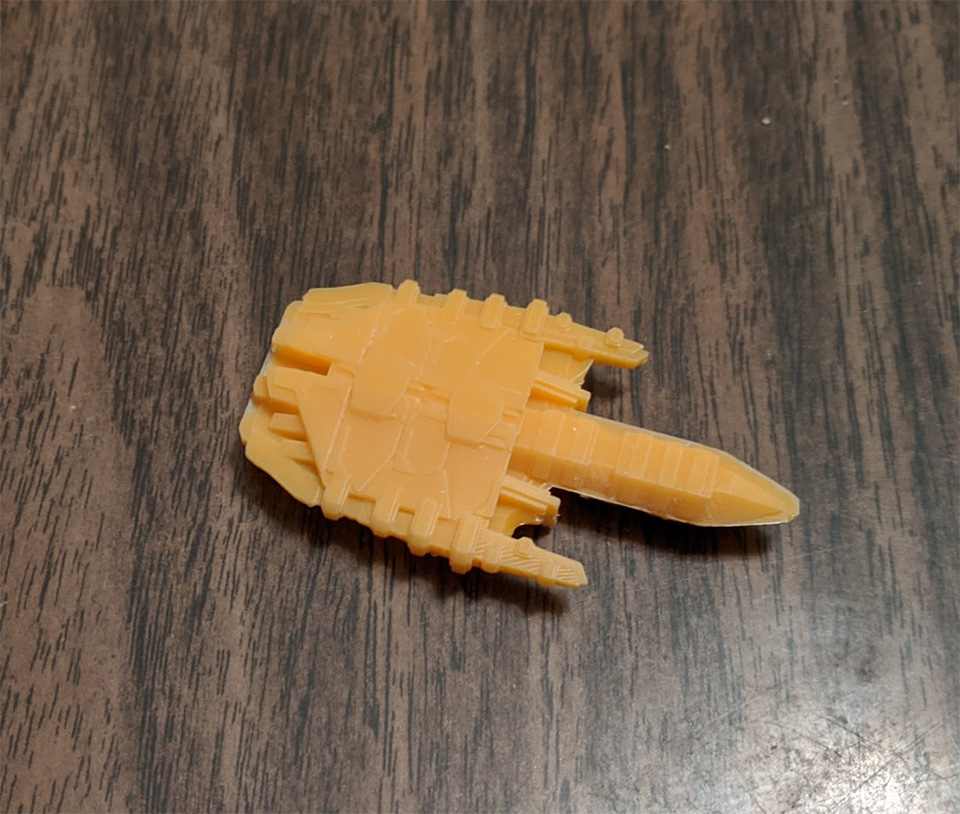
Resin 3D printers have a vat of liquid resin that is cured one layer at a time. The bottom of the vat is generally a plastic film and each layer of the miniature is cured attached to this film. The printer must than remove the layer from the film without causing the miniature to detach from the build plate or break away from existing layers.
Larger miniatures can have a real problem with breaking away from its supports and for resin printers, large is a relative term. A Surakari Frigate, which measures a little under 2″ long is considered a large miniature. At the time I’m writing this post, I have been having lots of problems with a Surakari Frigate breaking away from its supports.
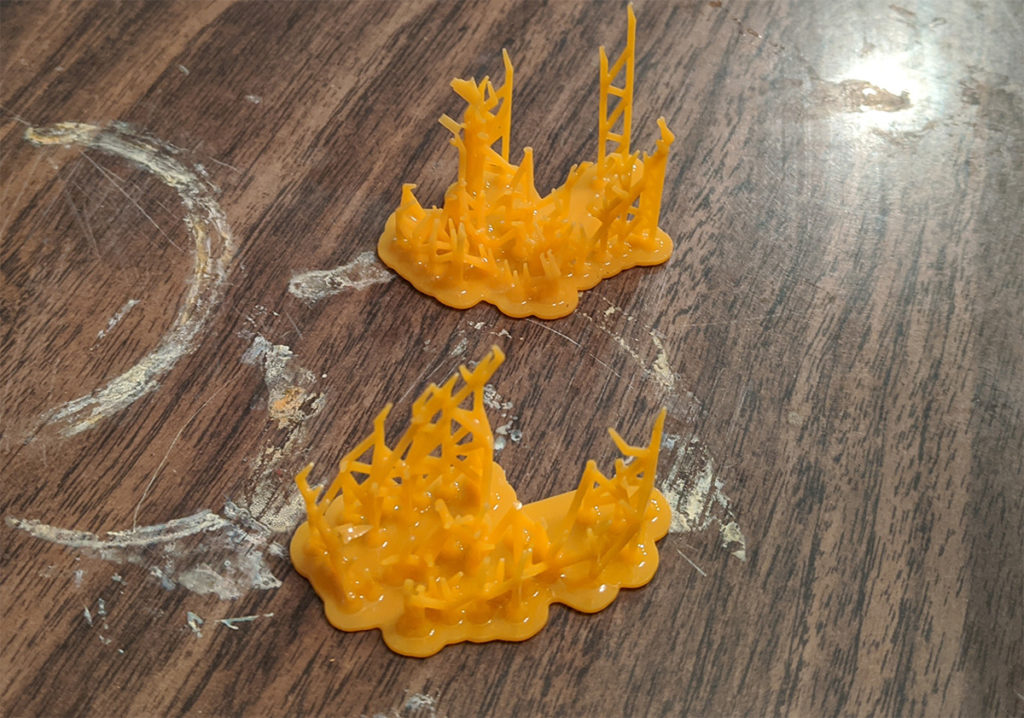
This is not an impossible problem to solve. It is just a process of trying different alignments and support options. The image shown at the top of the post is the one successful print I have had at this time. That one was oriented parallel to the build surface. While the quality of the top of miniature is excellent and is even better than the pewter production miniatures, the bottom of the miniature is in rough shape because of all the supports.
If you want to try out that particular print, here is the SL1 file for the Prusa SL1.
Anyway, that’s it for now. More updates on this process will be out soon.
